In search of links and traces of one of the greatest Buddhist Acharyas
- By : Anirban Ganguly
- Category : Photo Gallery
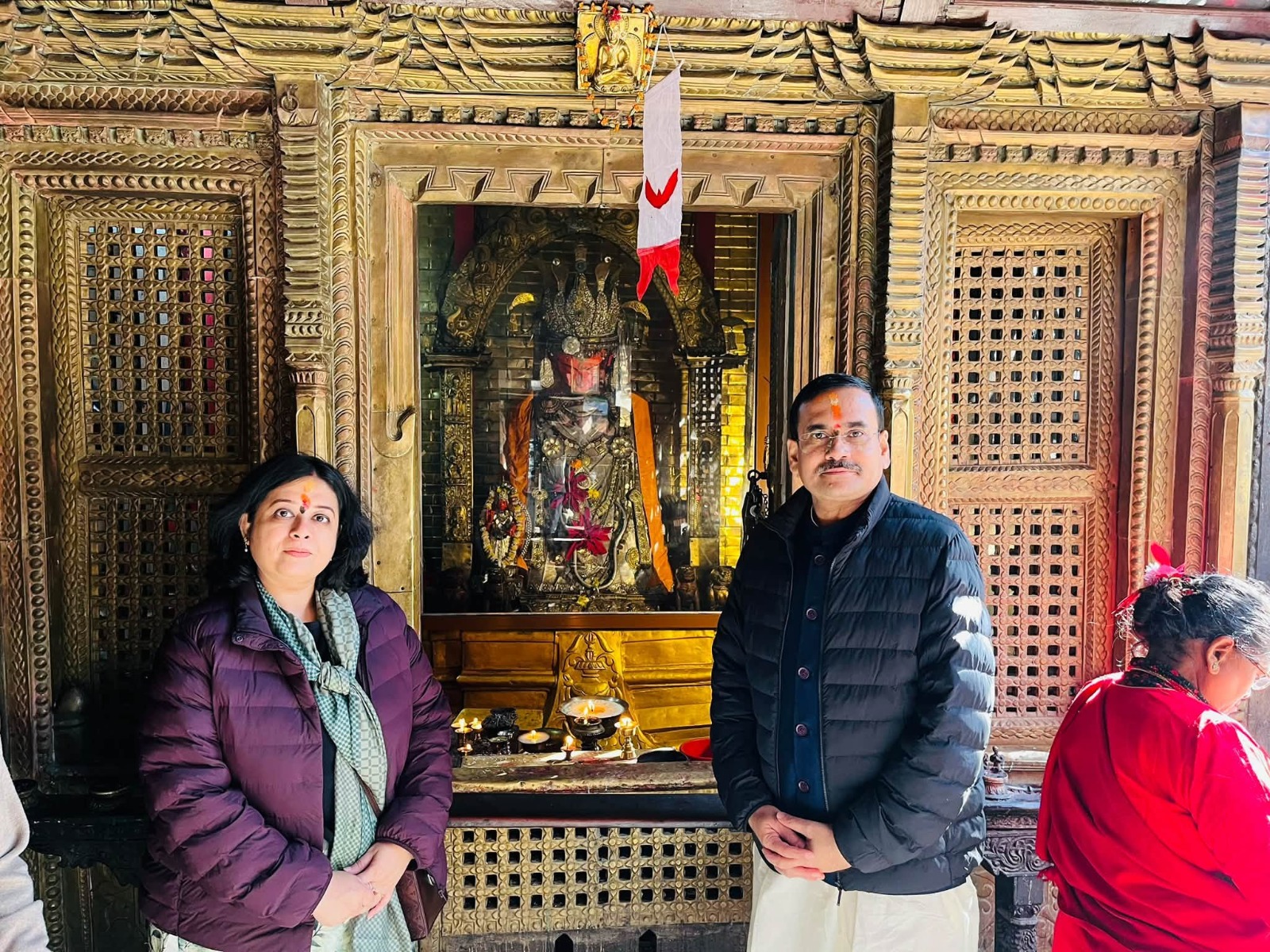
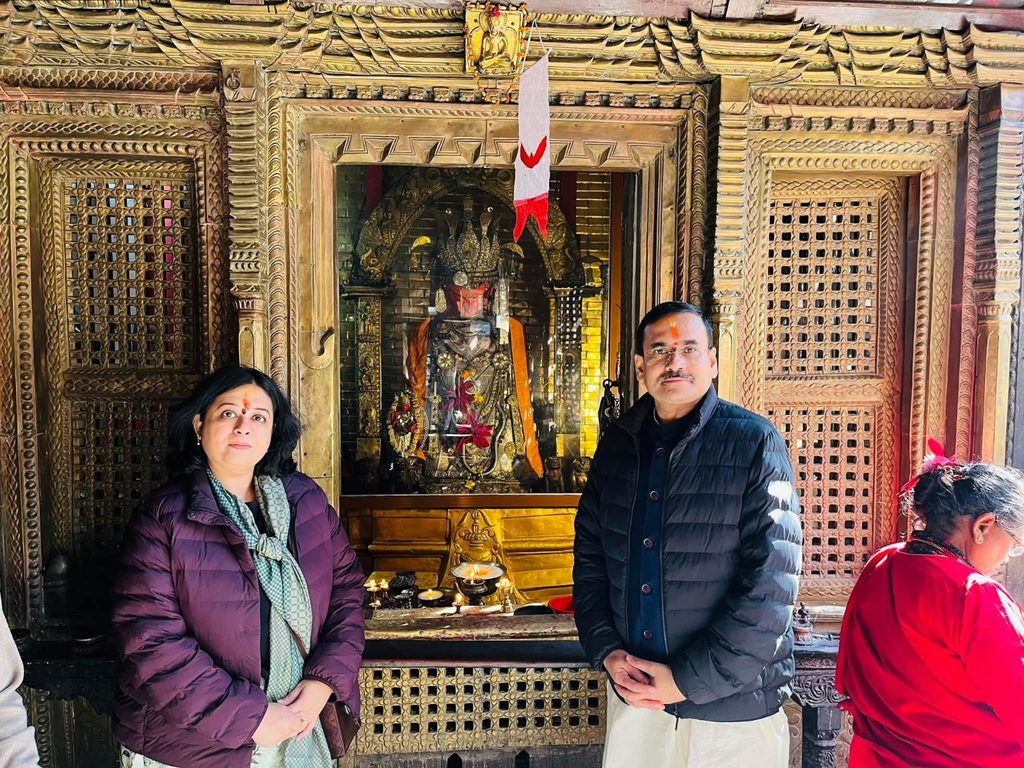
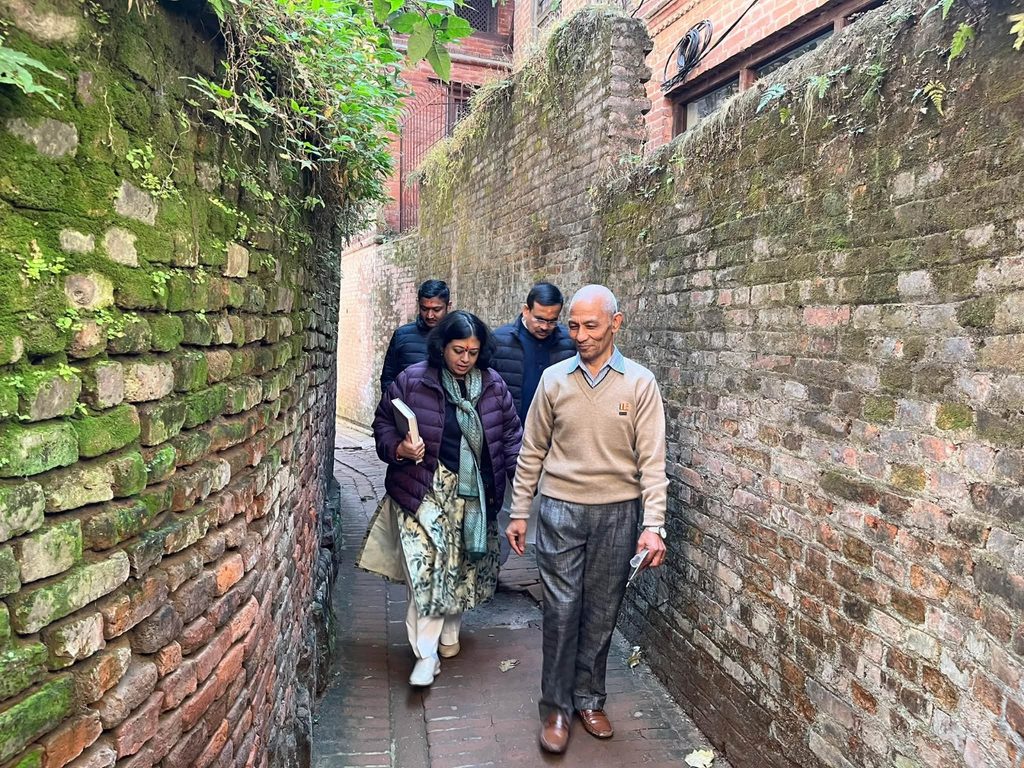
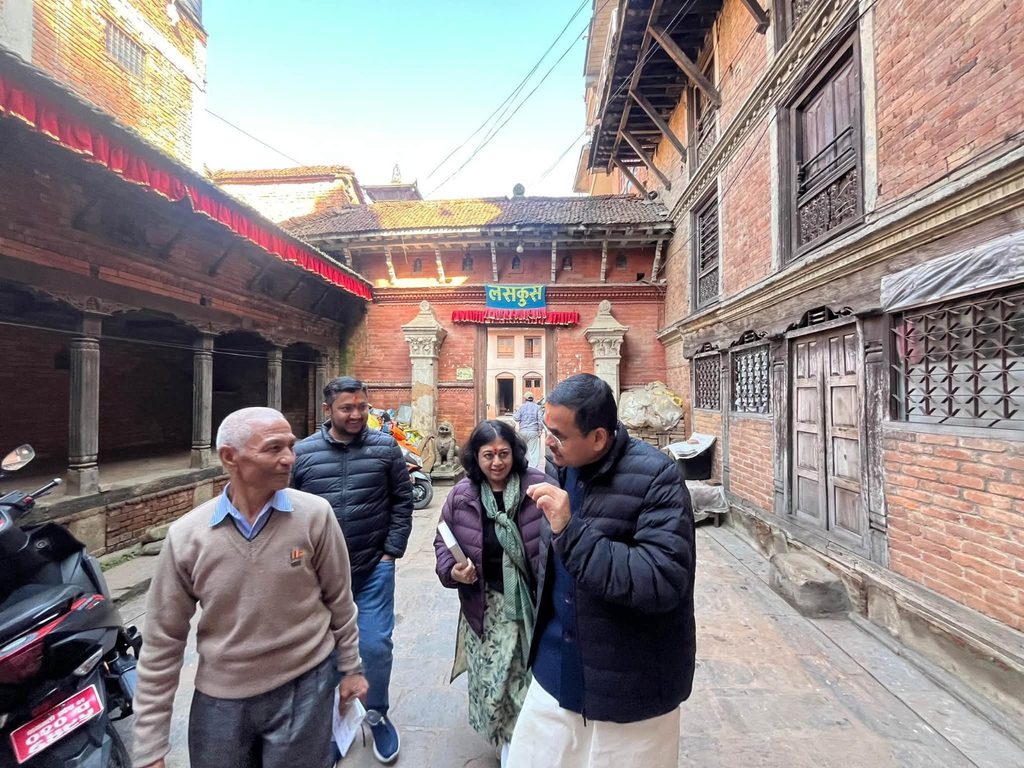
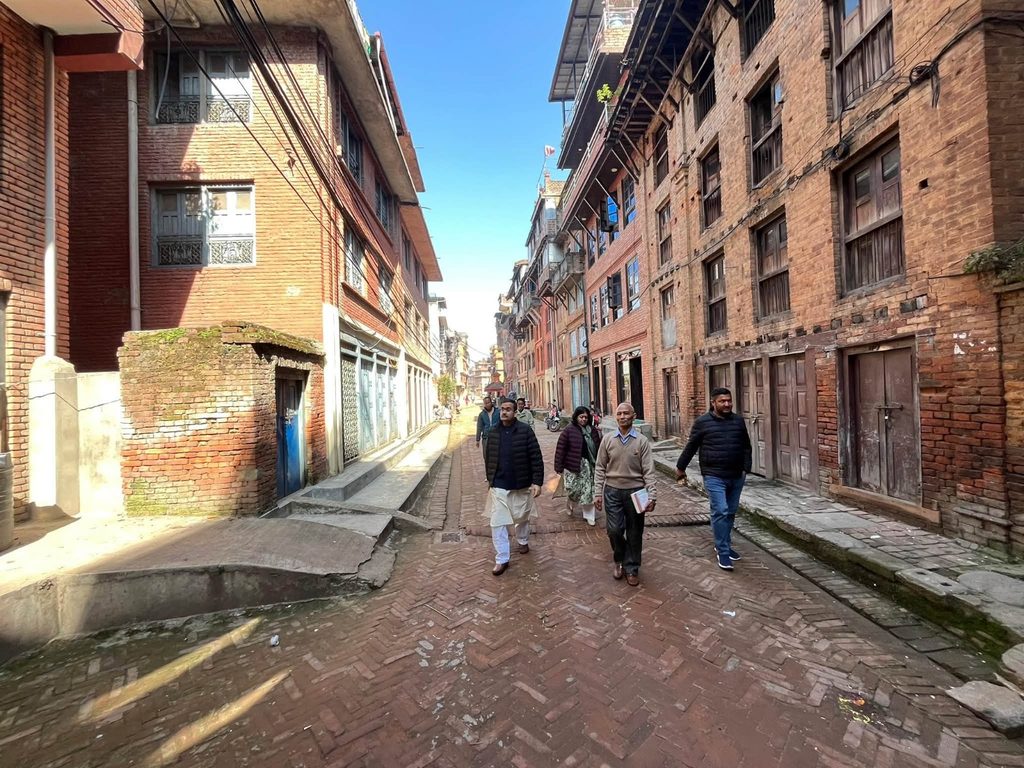
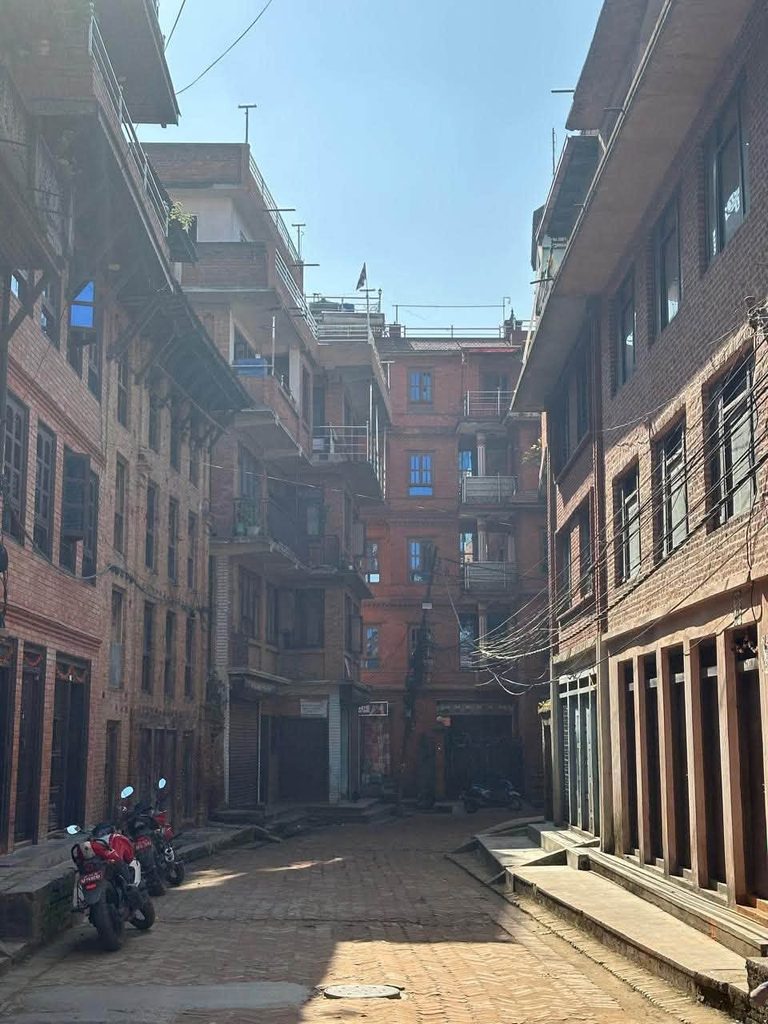
In search of links and traces of one of the greatest Buddhist Acharyas in civilisational history – Atisa Dipankara Srijnana (982-1054) who was born in Bengal and passed away in Tibet, we visited Bhaktapur in Kathmandu valley, the centre of Newari culture and tradition, once the capital of Nepal under the Malla dynasty.
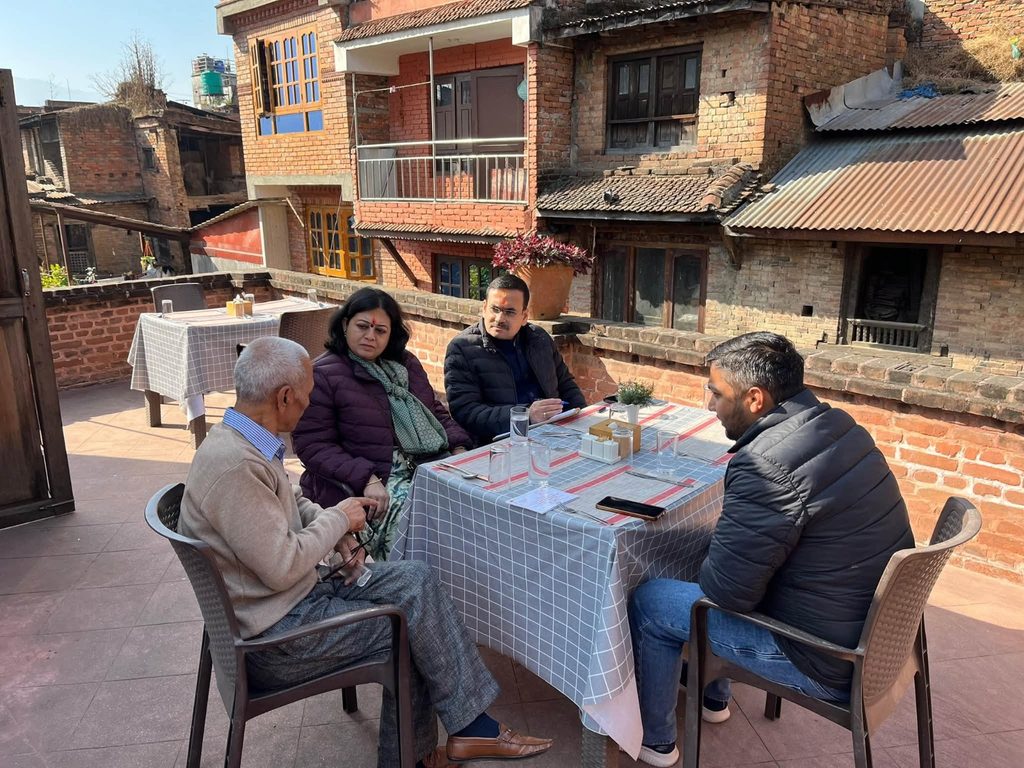
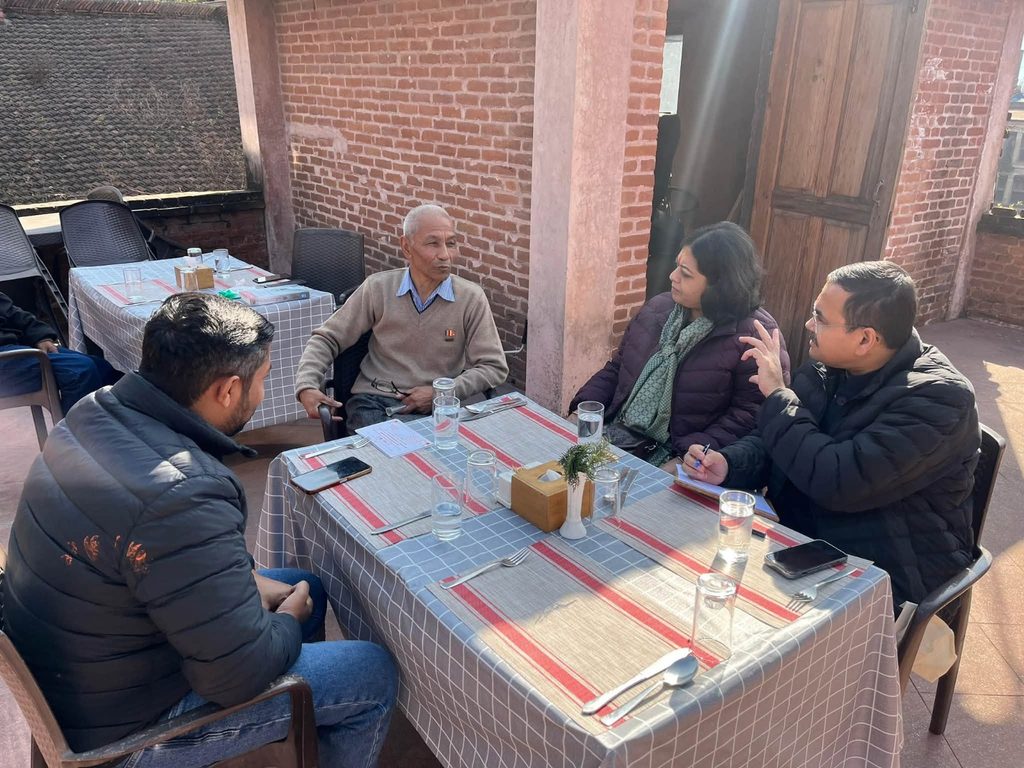
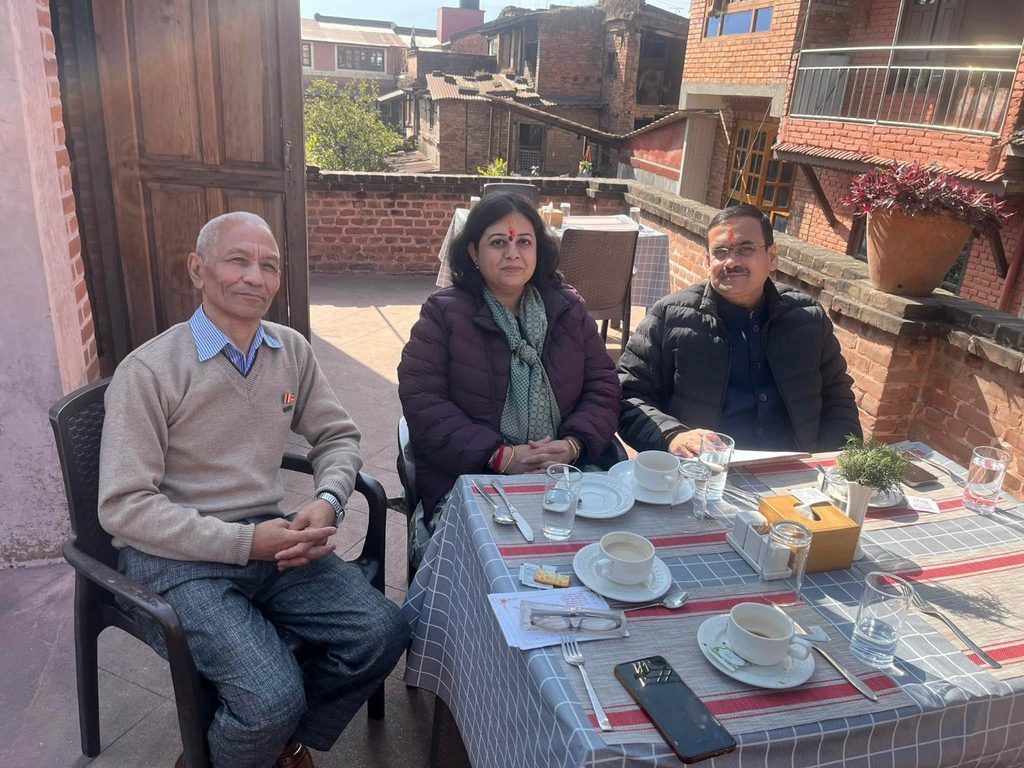
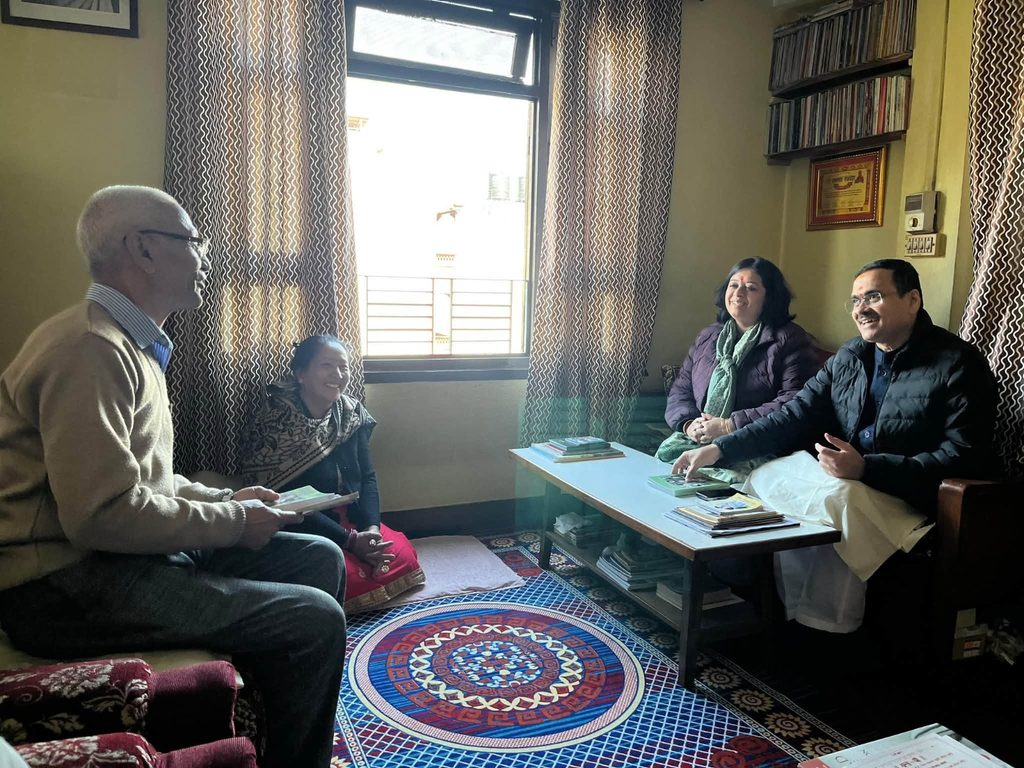
The snow covered Himalayas were clearly seen and our host was Shri Ratna Sundar Shakya, an eminent Buddhist writer, historian and translator. The affable Shri Shakya possesses an encyclopaedic knowledge of the region, especially its Buddhist connections and links.
It was an immersive experience as our discussion meandered through the lanes of Bhaktapur’s lore and history with the snow clad Himalayas as the backdrop. We exchanged notes, dates, episodes and books! Besides tucking into Bhaktapur’s legendary Juju Dhau – rich, buffalo milk “Misti-Doi”.
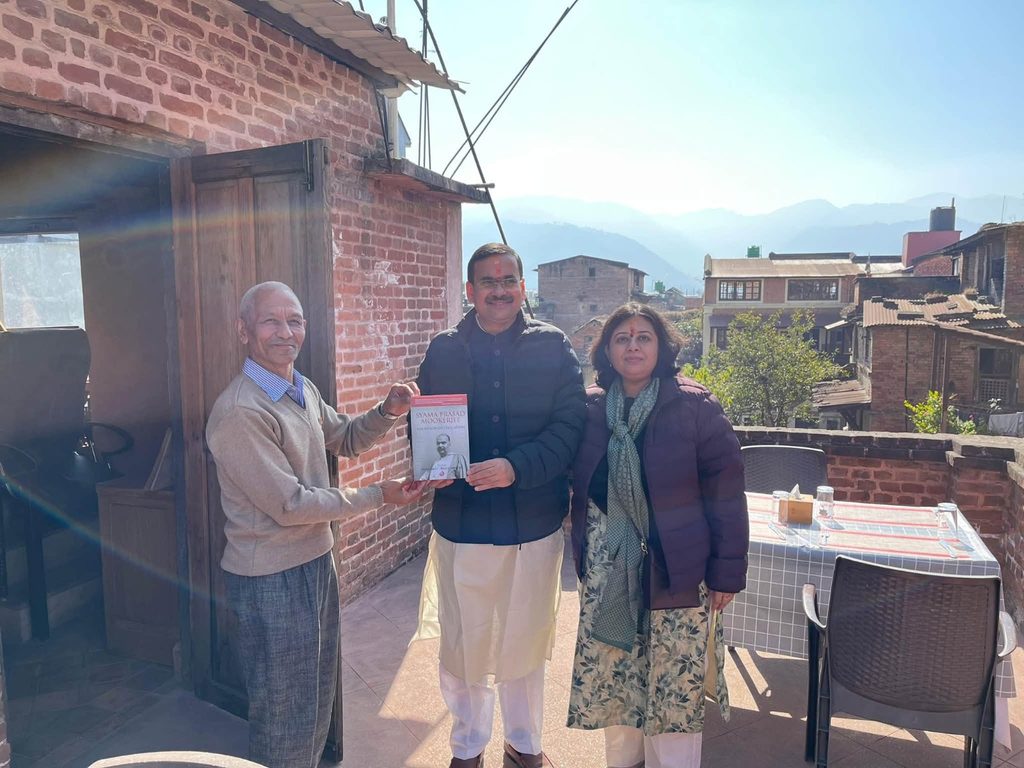
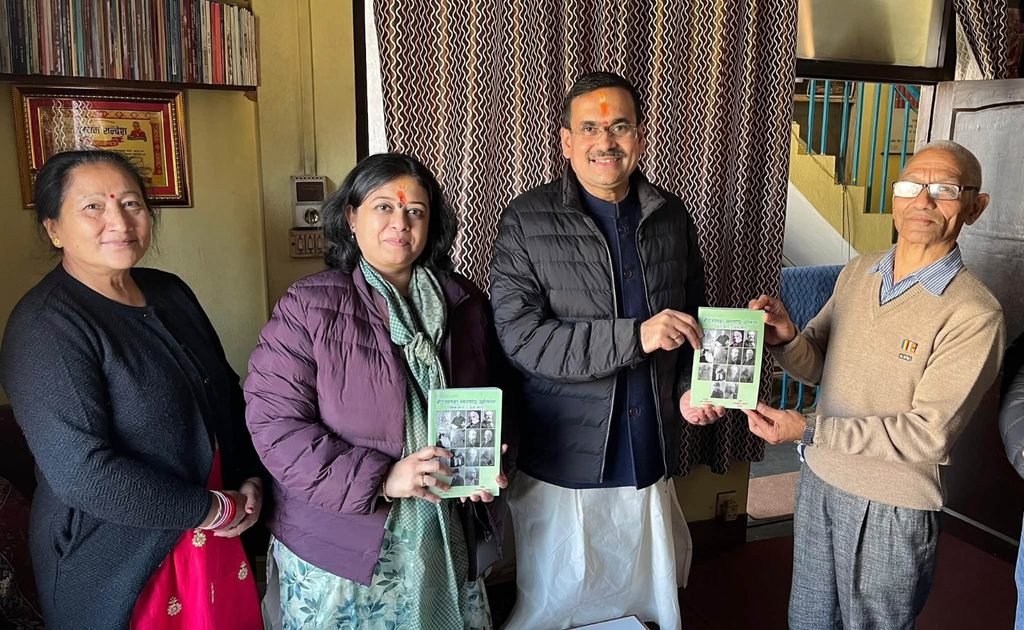
Shri Shakya who has written extensively on Rahul Sankrityayan poured out great details. Rahul Ji, visited Bhaktapur around 8 times, stayed here and proceeded to Tibet, trekking for over a month. The road to Tibet passes behind the iconic Vishnu Mandir Changu Narayan, said to be the oldest Hindu temple of Nepal. That road lies over there, Shri Shakya said, pointing the snowy Himalayan range. He also narrated why Nepal was grateful to #SirAsutoshMookerjee for preserving its Buddhist history.
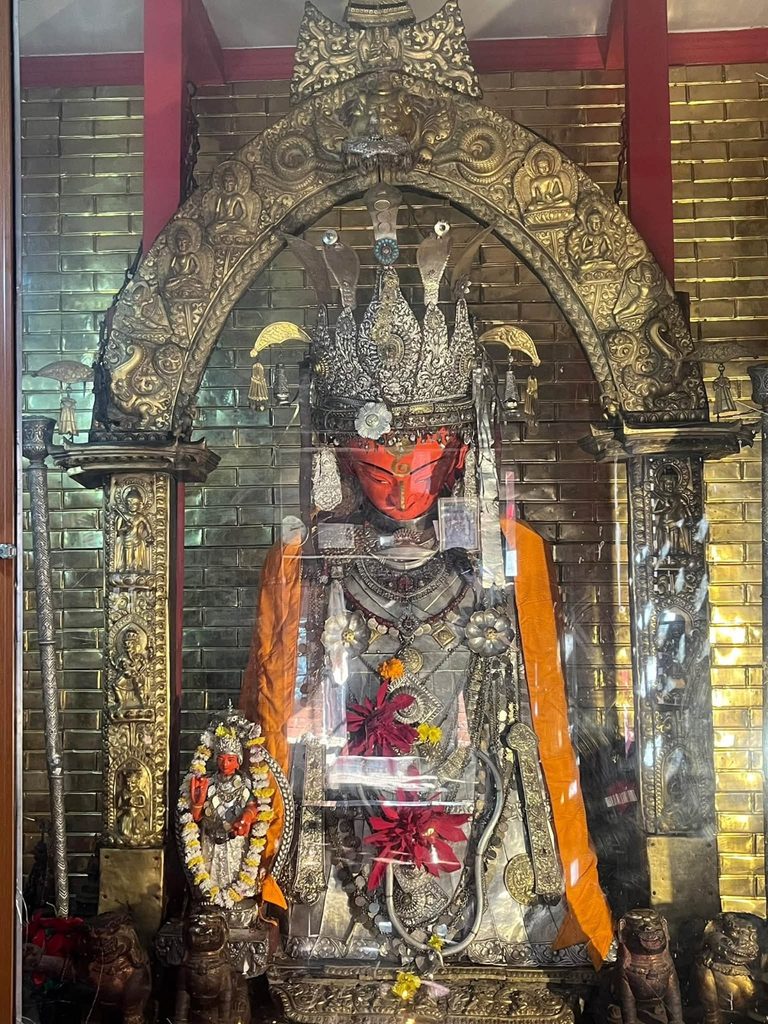
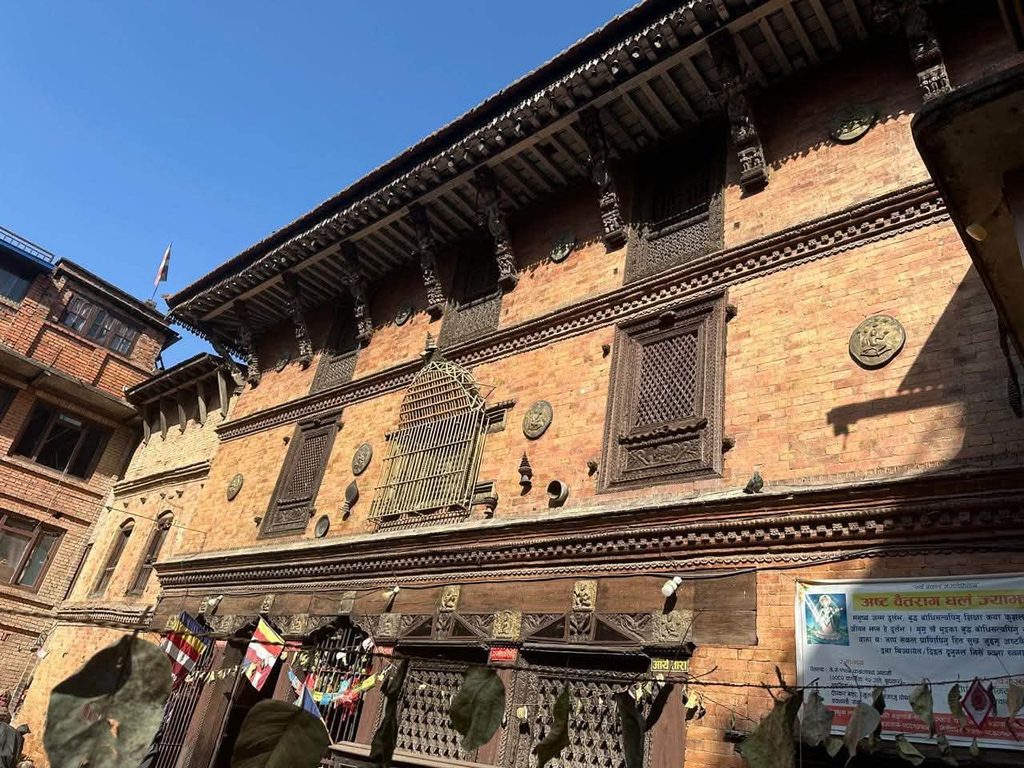
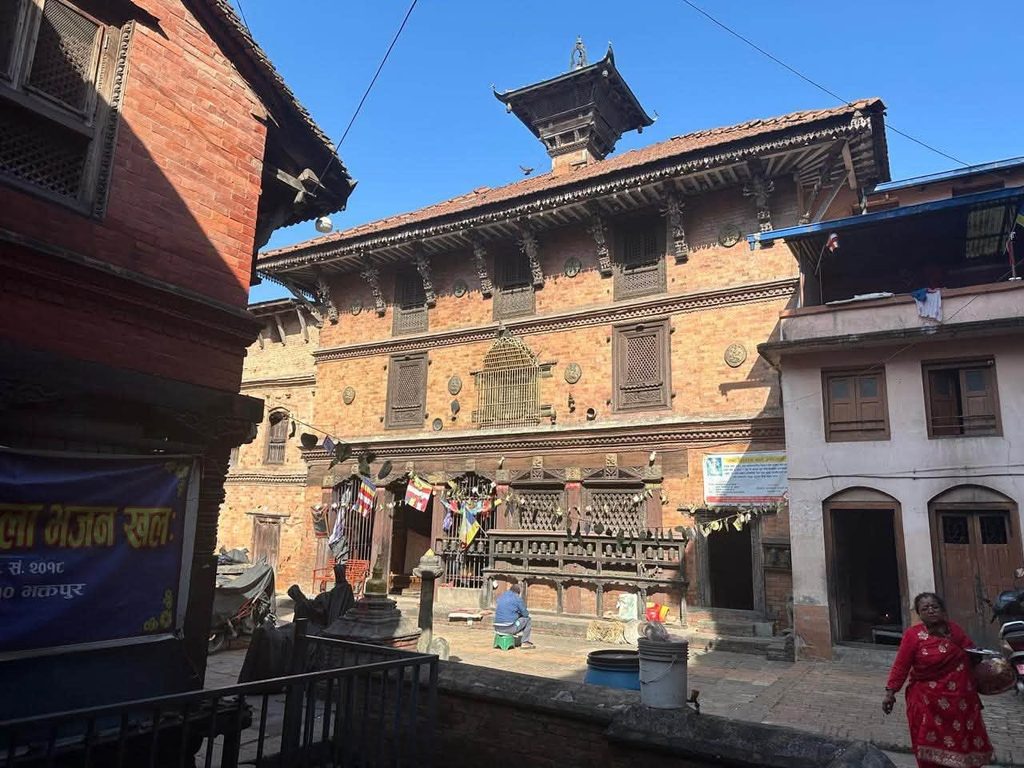
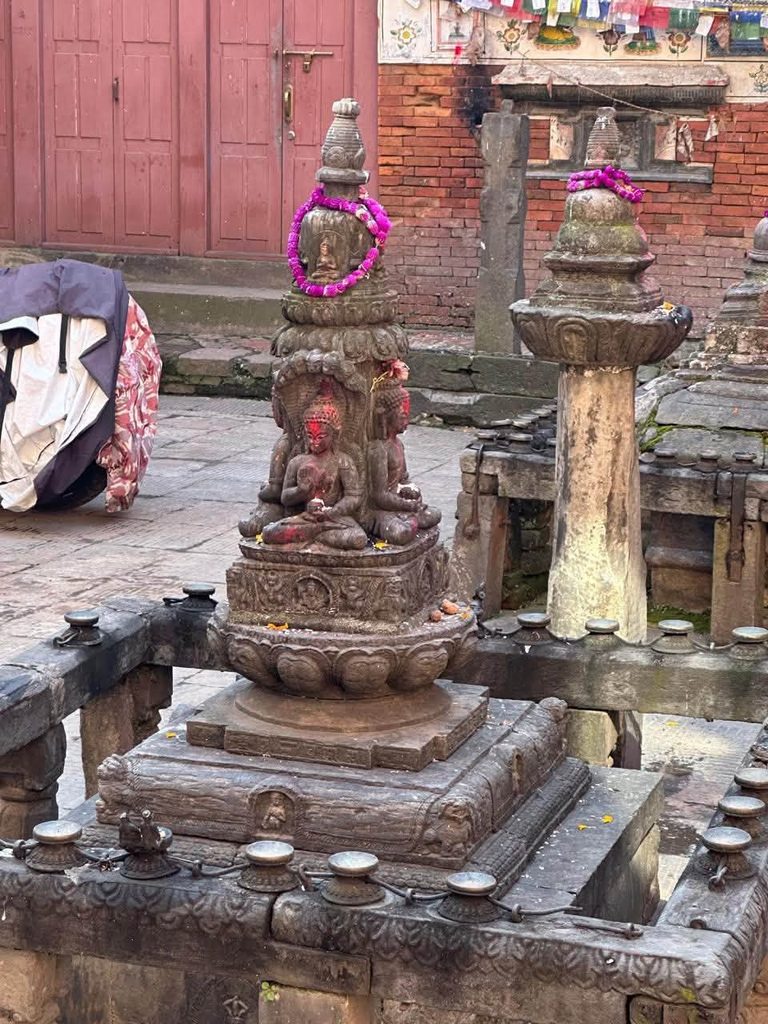
We visited the “Dipankara Vihara”, the main reason for our visit. A quaint Vihara built in the 16th century and dedicated to #AcharyaAtisaDipankara, who it is said, stayed here for a year, on his way from Vikramasila to Tibet via Nepal. Atisa went to Tibet at the invitation of the King, to revive, restore and reinstate Buddhism there. The story of his life is fascinating. The Atisa Vihara has Ganesha & Shiva-Parvati murtis, which are worshipped daily.
In his famous essay “Life of Acharya Dipankara Srijnana”, Rahul Sankrityayan writes “After having crossed the boundary of India, he entered Nepal, and in a few days reached the capital of Nepal. The king (Ananta-Kirti) welcomed him with great respect, and made him a royal guest. He urged him to stay in Nepal so vehemently that he was not able to leave Nepal for one year. In this year (1041) Atisa ordained a royal prince (Padmaprabha)… From Nepal he proceeded towards his destination…” (Buddhist Annual, 1932)
Atisa was accorded a grand welcome when he entered Tibet. Sankrityayan writes “In welcoming him the king’s representatives expressed their feelings thus “O greatest Indian Teacher, your coming to our country is not less than the coming of a God. We shall remain ever thankful to you for this act of compassion…” (1932)
Atisa was 60 when he went to Tibet and lived and preached in all parts of the country for about 15 years translating many works from Sanskrit into Tibetan. One of his most famous work “Bodhipathapradipa” was written in Tibet. Atisa died in the Nyethang monastery (Tibet) where his ashes are preserved.
One of the finest historians of civilisations D.P.Singhal writes “Atisa based his teachings on the Yogacara tradition, took a synthetic view of Hinayana and Mahayana Buddhism…He was possibly the last great Indian scholar to carry spiritual impetus from India to Tibet, where he ranks next only to the Buddha and Padmasambhava…” (India and World Civilisation, 1993)
One of the finest expert on Atisa – Alaka Chattopadhyay writes of Atisa “his importance in the religious history of India and Tibet is, on the whole, clear and unmistakable. He was in fact a landmark in both – being about the last of the great Buddhist acaryas in India… He is remembered in Tibetan tradition itself as by far the greatest of the teacher-reformers of Tibet. From this follows also his stature in the world-history of Buddhism.” (Atisa and Tibet, 1967)
In a dialogue of civilisations and in realising the aspirations of an #Asiancentury linkages and centres such as these hold great significance and symbolism. In his address at the #SCO Civilisational Dialogue Forum PM Shri Narendra Modi’s enlightening mention of Kumarajiva strikes a deep resonance in this context.
An enriching and contemplative morning in search of defining episodes in Bharat’s civilisational history and march…
#India#Nepal, #Buddhism#tibet#Bhaktapur#Atisa#PMNarendraModi